Join CosmicAI on Friday, April 25, 2025, at 10:00 a.m. Central Time for a discussion on responsible AI, featuring Aubra Anthony, Senior Fellow, Carnegie Endowment for International Peace!
Abstract: Most of us accept that AI will bring benefit to humanity only if it’s developed and deployed in a responsible, ethically aligned way. But AI’s reach spans the globe, and what makes AI ‘responsible’ differs depending on where in the world that question is being posed. What’s more, those who are making many of the most far-reaching decisions about AI’s global trajectory are, for now, not globally representative. Instead, consequential design and policy decisions are often concentrated in just a few elite tech circles, representing a minority of world viewpoints.
This talk will explore what goes missing if we’re resigned to this minority/majority split in defining globally responsible AI. Aubra Anthony will share research that encourages a more pluralistic approach to considering responsible AI, highlighting nuances that AI developers and policymakers throughout the Global Majority have long been grappling with.
Zoom info:
- Zoom link
- Passcode: FAI
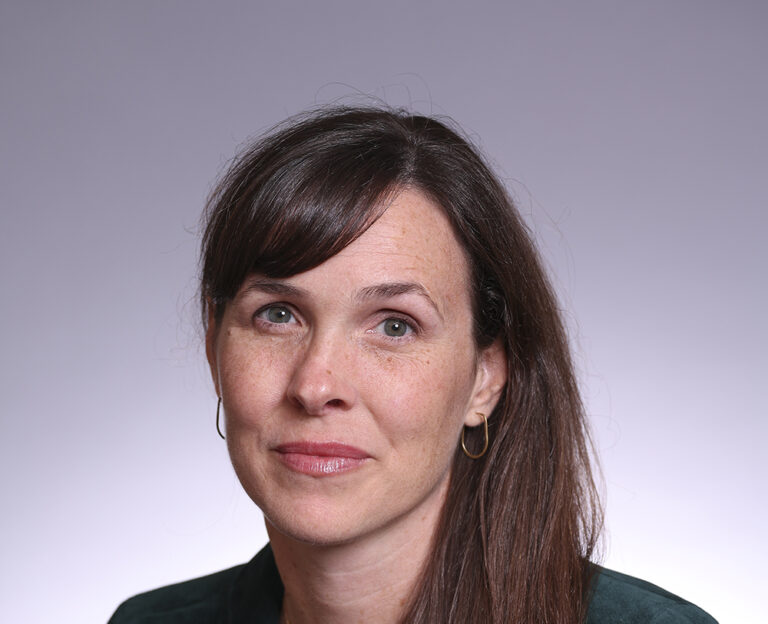
About the speaker: Aubra Anthony is a senior fellow in the Technology and International Affairs Program at the Carnegie Endowment for International Peace, where she researches the human impacts of digital technology, specifically in emerging markets. Aubra works to better understand how the global development and adoption of technology like AI can be made more inclusive and trustworthy. Prior to joining Carnegie, Aubra worked at the U.S. Agency for International Development (USAID). As strategy and research lead in the Innovation, Technology, and Research Hub at USAID, Aubra led research and published findings on responsible use of AI and machine learning (ML) in international development and humanitarian assistance, subsequently leading the translation of this research into USAID’s?first-ever AI Action Plan, launched by Administrator Samantha Power in May 2022. Aubra received her PhD in Physics from the University of Texas at Austin, then carried out postdoctoral research in observational cosmology with the University of Colorado before shifting her focus to tech policy and international affairs.